The Rope Line Is Not a Release Form: Clearing UK Heritage Interiors for Commercial Stock
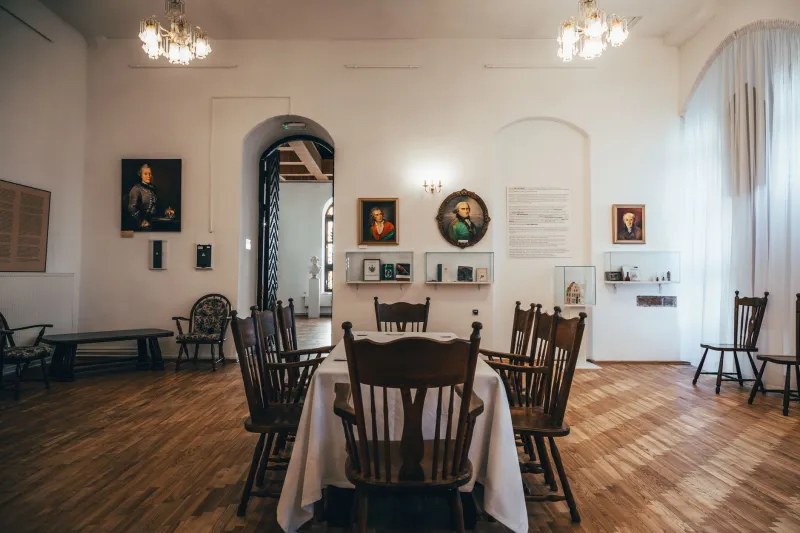
Heritage interiors are among the most persuasive visual assets available to UK brands. A stone-flagged entrance hall, a roped-off period room or a quiet contemporary gallery can signal provenance, care and cultural confidence in a way that a studio set rarely matches. Yet the very qualities that make these spaces attractive also make them legally layered. Public access is not the same as commercial clearance, and the rope line at the edge of a collection is not a release form.
For designers and marketers, the practical question is not whether a heritage interior can be photographed. It is whether the resulting image can be licensed, used and defended across advertising, packaging, paid social, out-of-home and long-term brand collateral. That requires a clearance method rather than a single permission.
Public access is not a commercial licence
UK museums, galleries and historic houses commonly permit photography for personal, non-commercial or editorial use, sometimes with restrictions on flash, tripods, filming or crowded areas. Those permissions are usually granted under house rules and may be withdrawn at any time. They do not automatically extend to stock licensing, advertising or promotional use by a third party.
Many heritage properties are held by charities, trusts or public bodies whose core purpose is preservation and public benefit. Commercial photography can still be permitted, but it is normally handled as a separate activity with its own fee, access arrangements and contractual terms. A press pass, a visitor ticket or a general photography permit is not a substitute for a commercial licence.
Three rights layers to map before the shoot
A heritage interior usually contains at least three distinct rights layers. The first is the property itself: the building, its fixtures, its decorative scheme and the occupier's ability to grant access. The second is copyright and related rights in the collection: paintings, sculpture, furniture, textiles, photographs, manuscripts, digital displays and even collection labels. The third is people: staff, volunteers, visitors and any identifiable individuals who appear in frame.
A brief that addresses only the first layer is incomplete. A photograph of a gallery may clear the room but still capture a copyrighted artwork, a legible interpretation panel or a donor plaque. A period room may clear the furniture but include a temporary loan that is subject to lender conditions. A behind-the-scenes image may clear the collection but include a conservator whose model release has not been discussed.
What a heritage licence should cover
When approaching a property, ask for a commercial photography licence rather than a visitor photography permit. The licence should identify the specific rooms or areas covered, the dates and times of access, the number of crew, and any restrictions on lighting, movement or handling. It should also set out the permitted uses: media, territory, duration, whether the images may be cropped, retouched or combined, and whether sublicensing to a stock library is allowed.
Confirm whether the property requires credit lines, a copy of final imagery for its archive, or approval of context. Check whether the licence includes an endorsement disclaimer; heritage organisations are often understandably cautious about implying that they support a product or campaign. Where the property maintains its own image library, using supplied assets can be faster and cleaner than commissioning a new shoot, particularly for conservation-sensitive interiors.
A room-by-room checklist for the brief
A room-by-room approach keeps the clearance conversation specific. Before the shoot, list every space in scope and note what sits within it.
- Exterior and approach: building facades, signage, banners, ticketing points, queues, parking areas and neighbouring properties. A street-level exterior may raise different issues from an interior, but commercial use still needs review.
- Entrance hall and welcome areas: visitor desks, staff uniforms, branded wayfinding, ticket scanners, donation boxes and temporary displays.
- Permanent galleries: artworks, frames, plinths, casework, wall texts, collection labels, lighting rigs and security equipment.
- Period rooms: furniture, upholstery, curtains, carpets, wallpaper, fireplaces, musical instruments, ceramics and conservation barriers. Some properties prohibit flash or close approaches for conservation reasons.
- Temporary exhibitions: lender-owned works, exhibition graphics, loan labels and installation views. These often carry separate conditions and should be excluded unless expressly cleared.
- Digital and interactive displays: screen content, software interfaces, filmed footage, audio guides, projection and lighting effects.
- Gardens and estate: sculptures, plant labels, built structures, livestock, vehicles and seasonal installations.
- People: staff, volunteers, visitors, contractors and performers. Where individuals are identifiable, discuss model releases and the property's own policies.
The close-up trap: labels, artwork and temporary displays
Collection labels are easy to overlook because they are small, functional and often legible in a wide shot. They can nevertheless contain protected text, donor information, trademarks or commissioned design. A close-up of a label may be useful for an editorial feature, but it is rarely necessary for a commercial campaign. Where labels are visible, consider framing, depth of field or a wider composition that keeps them out of focus.
Artwork is the more familiar risk. Works by living artists, or by artists who died within the relevant copyright period, may still be protected. Photographs of two-dimensional artworks can also raise questions about the rights in the reproduction itself. For campaign use, the safest route is to identify the works in frame, ask the property whether they are cleared for commercial photography and, where necessary, seek separate permission from the rights holder or its representative. Temporary exhibitions deserve particular caution because lender conditions may be stricter than the permanent collection.
Documentation and alternatives
Keep a clearance file for every heritage shoot: the licence, the room list, the artworks and labels identified, the people released, the agreed uses and any correspondence about context. If a room cannot be cleared, consider an alternative that preserves the visual idea without the rights burden. A detail of architectural stonework, a cleared garden view, a property-supplied image or a licensed reconstruction may serve the campaign better than an unresolved interior.
Heritage interiors reward careful briefing. They can give UK campaigns texture, credibility and a sense of place, but only when the rights chain is understood before the shutter opens. The rope line marks the edge of the collection; the licence marks the edge of commercial use. Designers and marketers should treat them as two different boundaries.