When the High Street Signs Back: Clearing Incidental Lettering in UK Stock Photography
A convincing British street scene rarely arrives empty. There is a butcher's fascia, a bus stop panel, a painted gable end, a delivery van with a familiar logo, or a station sign in the middle distance. These details give a photograph its sense of place. They also introduce one of the most common clearance puzzles in stock licensing: what happens when lettering, logos and public art appear in frame?
For designers, marketers and publishers, the answer is rarely a simple yes or no. It depends on why the image was made, how it will be used, how prominent the lettering is, and what the stock agency is prepared to license. The practical task is to treat signage as part of the visual brief, not as background clutter to be dealt with after the campaign is approved.
Start with the role of the sign
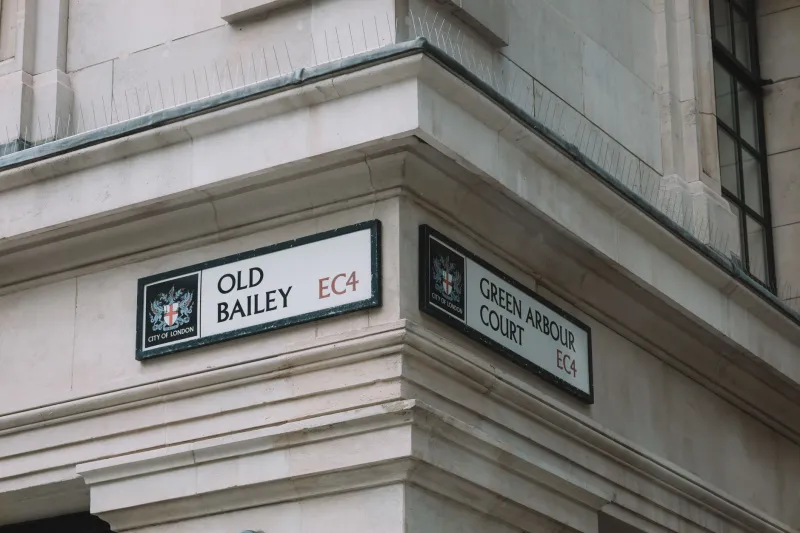
The first question is whether the lettering is incidental or central. A distant shop sign that adds texture to a high street scene is different from a crisp close-up of a branded storefront. If a viewer can read the name, recognise the logo or identify a piece of public art, the image is doing more than atmosphere. It is carrying third-party material into the campaign.
That distinction matters because stock licences often separate editorial use from commercial use. Editorial use typically supports news reporting, commentary, criticism or illustration of a current story. Commercial use covers advertising, promotional material, branded social content, packaging and other marketing. A royalty-free licence is not automatically a commercial clearance for every element in the frame.
A photograph of a recognisable shopfront may be suitable for an article about UK retail. The same photograph may be unsuitable for a bank advertisement that appears to imply an endorsement by the retailer. Context is part of the clearance analysis.
Editorial and commercial are different permissions
Buyers should check the licence label before shortlisting, not after the layout is signed off. Some agencies mark files as editorial only where brands, logos or public art are visible. Others rely on the buyer to assess the risk. Neither approach removes the need for a documented decision.
In the UK, a photograph showing a trademark is not automatically unlawful. Trademark law is concerned with use in the course of trade in a way that affects the functions of the mark, including origin and reputation. Copyright in artistic works, graphic works and photographs may also be relevant. Public lettering can be protected as an artistic work, and a distinctive mural or hand-painted sign may have its own rights holder.
The UK's public-place exception is sometimes described as freedom of panorama, but it is not a blanket permission for every flat graphic surface. Buildings, sculptures and certain works of artistic craftsmanship permanently situated in a public place can be photographed more freely than posters, notices or two-dimensional graphics. A shopfront sign, a painted advertisement or a temporary banner may need a more cautious approach. This is a practical warning, not a substitute for legal advice on a high-value campaign.
Cropping and retouching can create fresh problems
A common instinct is to crop out the logo or retouch the sign. That can help, but it is not a clearance shortcut. A crop is a new framing, not a new legal status. If the remaining context still makes the brand or artwork recognisable, the risk may persist. Removing a logo from a uniform, vehicle or shopfront can also raise questions about alteration, misrepresentation and the agency's own licence terms.
Retouching may be prohibited by the stock licence, particularly where it changes the meaning of the image or removes a credit requirement. It can also create a misleading scene: a generic-looking high street that is still, in substance, a particular retailer's premises. For public art, altering the work can distort the artist's original design and create a separate rights issue.
Before commissioning retouching, ask whether the licence permits modification for commercial use. If the answer is unclear, choose a different image or brief a photographer to create a generic scene. The cheapest fix is often the one made at the selection stage.
Questions to put to the stock agency
A written query is more useful than a verbal assurance. For any campaign where signage is visible, ask the agency:
- Is this file licensed for editorial use, commercial use, or both?
- Are there known restrictions relating to brands, logos, shopfronts, public art or distinctive lettering?
- Has the image been cropped, retouched or altered from the contributor's original?
- Does the file include model or property releases, and what do those releases actually cover?
- Who is the contributor, and what provenance or caption information is available?
- Does the agency offer an indemnity, and what are its limits and exclusions?
- Are there territory, media, print-run or duration limits that affect the campaign?
Keep the answers with the campaign file. If the image is later reused in a different medium or territory, review the clearance again. A licence that was adequate for an internal presentation may not cover a national out-of-home campaign.
A practical selection workflow
Begin the brief by deciding whether the campaign needs a sign-led scene or a brand-free one. A brand-free brief is not a creative compromise; it can be an art direction choice. Generic fascias, independent shopfronts, blank signage and tightly controlled compositions can feel just as British without carrying third-party lettering into the final artwork.
At selection, review images at full size rather than as thumbnails. Check the edges of the frame, reflections in windows, vehicle livery, uniforms and background hoardings. Read the agency's caption and restrictions. Where the sign is central, consider whether the campaign can use an editorial licence or whether a commercial clearance is required. For high-profile work, escalate the decision to legal counsel rather than relying on a general guide.
Finally, document the reasoning. A short note explainingwhy an image was chosen, what signage is visible and which licence terms apply is more valuable than a last-minute email chain. Clearance is part of art direction, not an administrative afterthought.
At i-Stock UK, the useful principle is simple: let the lettering earn its place. If a sign adds authenticity and the licence supports the intended use, it can be a strong visual asset. If it introduces an unresolved rights question, art-direct around it before the campaign goes live.