Faces, Facades and Fences: A 2026 UK Guide to Stock Licensing When Real People and Places Are in Frame
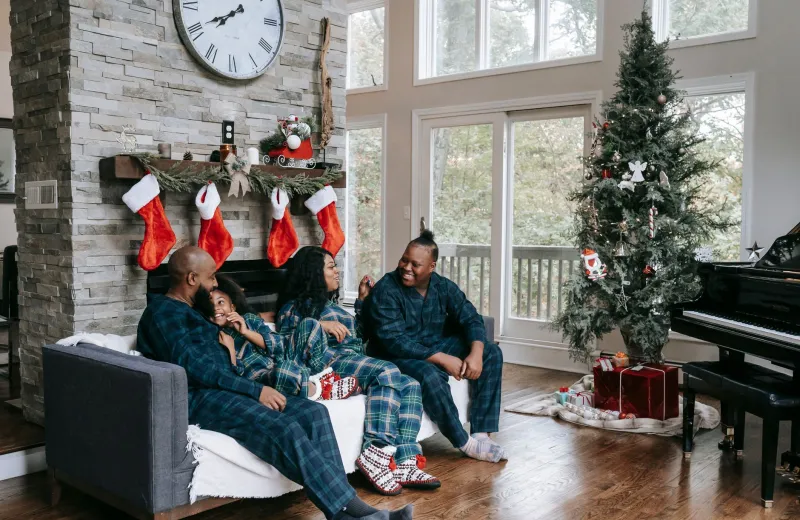
Stock imagery rarely arrives with a single, simple rights question. A picture of a smiling family in a London living room may look ready for a campaign, but the licence, the model release and the context of use all matter. The same is true of an image of a nurse on an NHS ward, a photograph of a private house in the Cotswolds or a crowd scene outside a famous British landmark. For UK marketers, designers and publishers, the practical task in 2026 is not simply to choose an editorial or commercial licence. It is to understand what that licence does and does not cover.
The Licence Is Not the Whole Story
A stock licence grants permission to use an image in defined ways. An editorial licence typically supports news, commentary, criticism or reporting, where the image is used to illustrate a story or idea. A commercial licence is intended for advertising, marketing, packaging, promotional material and other revenue-generating uses. The distinction matters because the risk profile changes with the context. An image that is acceptable in a news article may be unsuitable for an advertisement, even if the same file is available under both licence types.
Model and property releases sit alongside the licence. They are agreements with people or property owners, and they address third-party rights that the photographer or agency may not control. A release does not make every use acceptable, and the absence of a release does not automatically make every use unlawful. It is a risk-management tool. Buyers should read the licence terms, check the release status and consider the specific campaign before committing.
Recognisable People: Consent, Context and Model Releases
The UK does not have a stand-alone image right in the way some jurisdictions do, but that does not mean a recognisable person can be used freely in every commercial context. Privacy, defamation, data protection and advertising standards can all be relevant. The Advertising Standards Authority’s CAP Code, for example, expects marketers to avoid implying endorsement without permission. A model release is the clearest way to show that a person has agreed to the use, but it is not a substitute for judgement.
Consider three common scenarios. A London street scene may include dozens of incidental people; if one face is prominent and the image is used to suggest that person endorses a product, the risk rises sharply. An NHS staff member photographed at work may require both a model release and permission from the NHS trust or venue, and the image should not imply NHS endorsement. A public event such as a Pride march or a Remembrance service may be easier to license for editorial use, but commercial use of identifiable participants needs care, especially where the event carries sensitive cultural or political meaning.
Crowd images deserve particular attention. A wide shot can still contain recognisable faces, and cropping or retouching may not remove the risk. If the campaign depends on a specific person’s presence, a release is the safer route. If the image is illustrative and the people are truly incidental, document that reasoning and keep the use context appropriate.
Property, Interiors and Historic Houses
Property releases are not a universal legal requirement in the UK, but they are a practical safeguard when an identifiable private building, interior or venue is central to a commercial image. A photograph of a generic terraced street may be low risk; a close-up of a distinctive front door, a styled living room or a historic house used to promote a brand is different. Owners and managers may have house rules, photography policies or commercial shoot fees.
Historic houses, National Trust properties, museums and retail interiors often combine copyright, trade mark and access restrictions. Some venues allow photography for personal use but require permission for commercial shoots. Others prohibit tripods, lighting or crew. If an image shows a recognisable interior and the campaign will suggest that the brand is associated with the venue, check the licence and the venue’s terms before use. When in doubt, choose an image with a clear property release or commission a shoot with written permissions.
Landmarks and the Public Realm
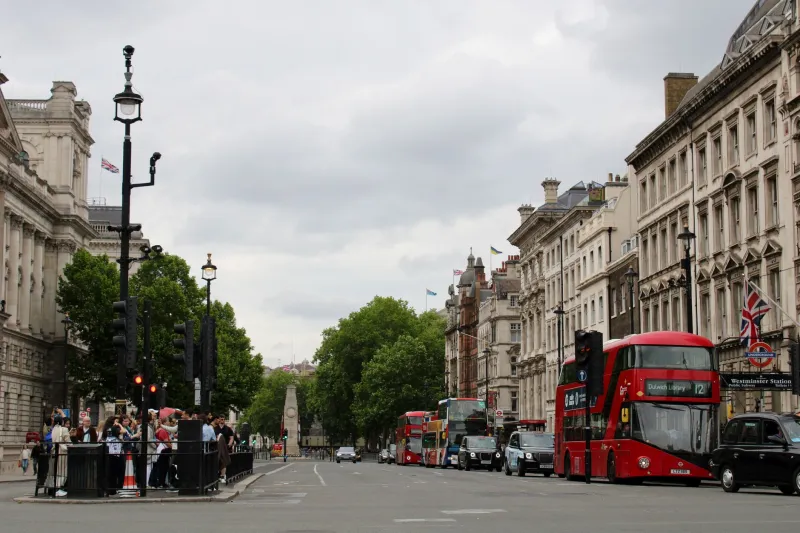
Iconic British landmarks are among the most requested stock subjects. Tower Bridge, the Palace of Westminster, Edinburgh Castle, the Angel of the North and the Welsh coastline all carry visual recognition and, in some cases, trade mark or branding issues. Editorial use is often more straightforward because the landmark is part of the story. Commercial use needs a closer look: an image of a red bus or black cab may be fine as a generic London scene, but a campaign that implies an official connection with Transport for London or a landmark authority is not.
Public events add another layer. A photograph of a Christmas market, a sporting crowd or a festival may be licensed for editorial use with an accurate caption. For advertising, consider whether the image suggests endorsement, whether attendees are identifiable and whether the event has restrictions on commercial photography. Respectful treatment of sensitive occasions is part of the same risk assessment.
A Plain-English Checklist for UK Buyers
- Identify the protected elements: people, private property, logos, artworks, landmarks and event branding.
- Read the licence tier and confirm whether it covers advertising, editorial, web, print and social media.
- Check the model and property release status for every recognisable person or place.
- Match the image to the context. A news-style image may not suit a product campaign.
- Consider sensitive uses, including health, finance, politics and religion.
- Avoid implying endorsement by a person, company, public body or venue.
- Check trade marks, venue rules and any editorial caption requirements.
- Keep a record of the licence, release and rationale for the choice.
- Ask the agency or contributor if the release status is unclear.
- If the risk is material, choose a clearer image or commission a shoot.
Building a Safer 2026 Workflow
The most effective approach is procedural rather than last-minute. Brief photographers and agencies with the intended use in writing. Use search filters for released images where the campaign needs them. Keep a simple rights log alongside the creative file. Train designers and marketers to flag recognisable people, private interiors and famous landmarks early. None of this removes every risk, but it makes decisions more consistent and easier to defend.
This article is general guidance, not legal advice. For high-value or sensitive campaigns, take advice from a qualified UK lawyer or rights specialist.